

Marae Moana moves to Environment Service to strengthen ocean management
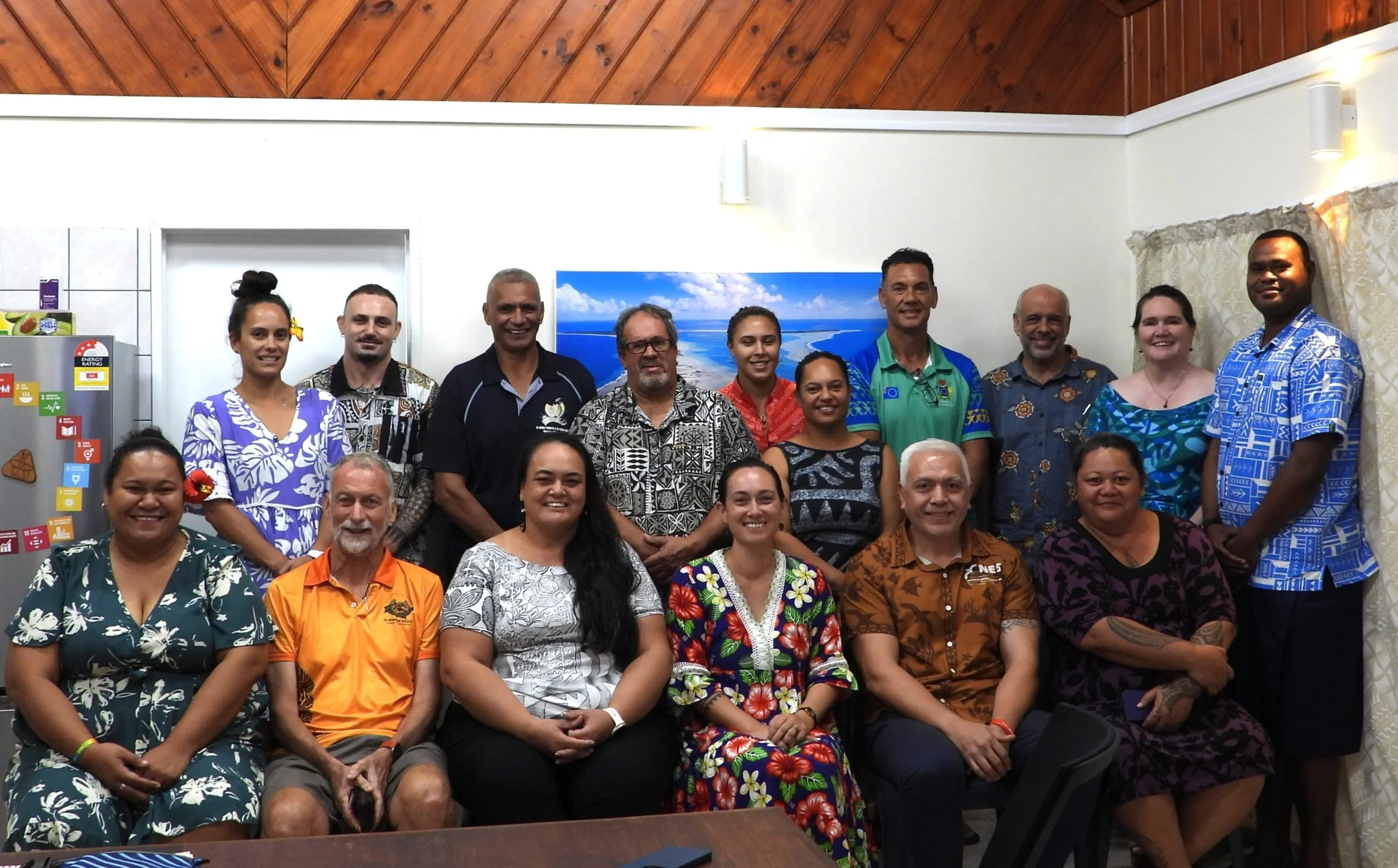
The Office of the Prime Minister (OPM) and the National Environment Service (NES) have announced the successful transition of the Marae Moana Coordination Office from OPM to NES, following the enactment of the Marae Moana Amendment Act 2026 in the Cook Islands Parliament in February 2026. MELINA ETCHES/26042113
The Cook Islands Government has completed the transition of the Marae Moana Coordination Office (MMCO) from the Office of the Prime Minister (OPM) to Te Tu’anga Taporoporo National Environment Service (NES), following the passage of the Marae Moana Amendment Act 2026 earlier this year.
The shift is being described as a key step in strengthening the country’s integrated approach to ocean management, aligning Marae Moana more closely with NES to support a coordinated, ecosystem-based framework for managing the nation’s vast marine environment.
The move follows recommendations from a 2023 Government Functional Review led by the Office of the Public Service Commissioner and subsequent Cabinet decisions aimed at improving efficiency, clarifying roles, and strengthening policy leadership across the environmental sector.
NES will now act as the administering authority for the Marae Moana Act, providing a central platform for marine spatial planning, conservation, and sustainable ocean use.
OPM has been acknowledged for its foundational role in establishing Marae Moana and elevating the Cook Islands’ profile as a Large Ocean State, particularly through whole-of-government coordination since the initiative’s inception.
Chief of Staff at OPM, Karopaerangi Ngatoko, said the transition reflects the programme’s natural progression.
“Marae Moana has always been a whole-of-government and whole-of-country commitment. This transition reflects the natural evolution of that vision—moving from establishment to strengthened implementation,” Ngatoko said.
“The Office of the Prime Minister is proud to have led the foundation of Marae Moana, and we are confident that placing it within the National Environment Service will further enhance coordination, accountability, and delivery across the environmental sector.”
NES Director Halatoa Fua said the shift comes at a time when the technical demands of Marae Moana are increasing.
“We’re at a stage now where the technicality of the Marae Moana work is coming to the surface, and it’s important for us to provide that technical arm in supporting the Marae Moana Act,” Fua said.
He said the transfer, approved by Parliament in February 2026, ensures the programme is better positioned to deliver on its growing work programme, while the OPM will continue to chair the Technical Advisory Group (TAG).
The TAG brings together key agencies including NES, the Ministry of Marine Resources, Ministry of Transport, the Seabed Minerals Authority, and non-government organisations to coordinate work across conservation and sustainable ocean use.
Among the priorities is the development of a national Marine Spatial Plan, which will guide how conservation is integrated within the Cook Islands’ Exclusive Economic Zone (EEZ) alongside existing uses. The plan will include both national and island-level components, with a strong focus on community engagement, particularly in the Pa Enua.
Work is also underway to incorporate emerging international frameworks, including the agreement on Biodiversity Beyond National Jurisdiction (BBNJ), into the Cook Islands context, as well as to develop new policies and an outlook report on the state of the marine environment.
Fua said while the administrative shift does not change Marae Moana’s core mandate, it will improve coordination and delivery.
“There is a strong need to integrate efforts across agencies—from fisheries and seabed minerals to shipping and emerging issues like submarine cables—while ensuring conservation is embedded across all sectors,” he said.
The Cook Islands is also working towards its international commitment under the Convention on Biological Diversity to protect at least 30 percent of its EEZ by 2030, known as the “30 by 30” target, with the Marine Spatial Plan expected to play a central role in achieving that goal.
Written by Melina Etches | Published in Environment, Local, National