
SBMA contributes to deep-sea biodiversity research through SIO collaboration
The Seabed Minerals Authority (SBMA) has contributed to a joint deep-sea biodiversity research project with the Second Institute of Oceanography (SIO), supporting work to strengthen scientific knowledge of deep-sea habitats and biodiversity data.
SBMA participated in the Synthesis and Analysis of Biodiversity Data in Deep-Sea Habitats of the Northwest Pacific project, known as SADiNP, a collaboration with the Second Institute of Oceanography.
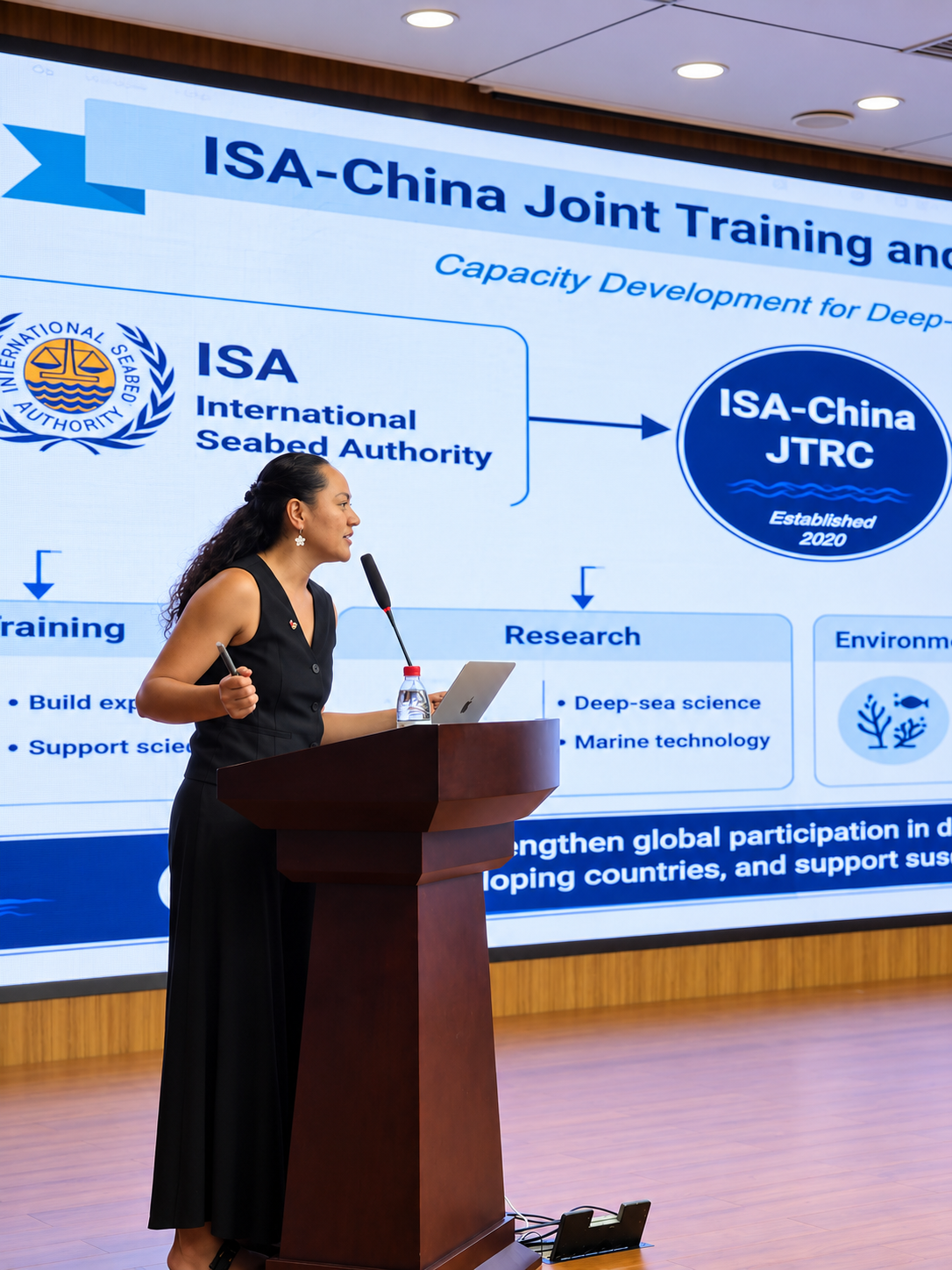
The SADiNP project was supported through the International Seabed Authority (ISA)–China Joint Training and Research Centre (JTRC), a capacity-development programme established to strengthen deep-sea science, research, environmental management and knowledge exchange, particularly for developing countries.
The project focuses on compiling, standardising and assessing biodiversity information for deep-sea habitats in the Northwest Pacific. It supports wider efforts to improve understanding of deep-sea biodiversity and strengthen the scientific basis for sustainable ocean management.
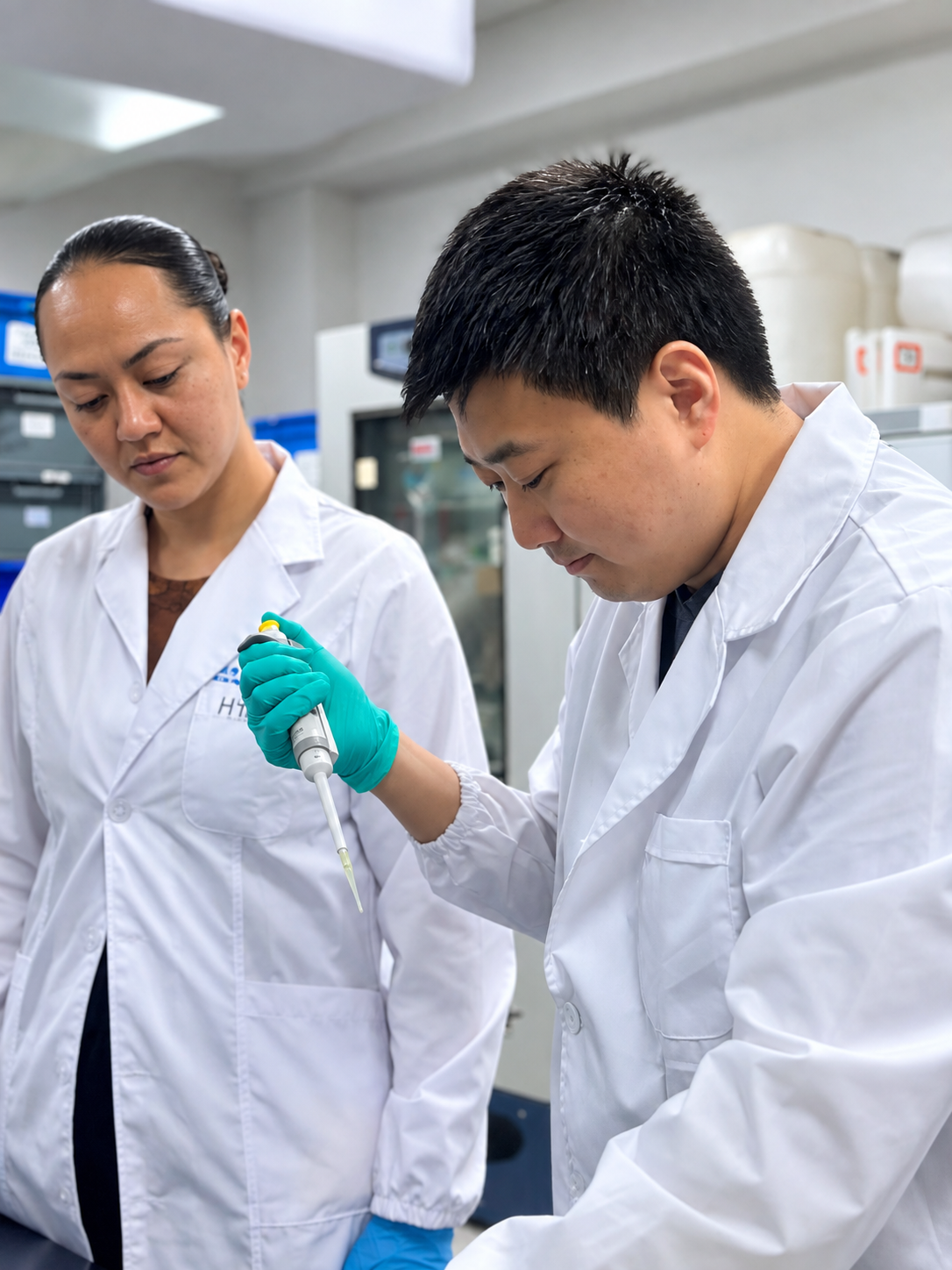
As part of the collaboration, Tanga Morris Jr, Technical Officer in SBMA’s Knowledge Management Division, undertook a two-week attachment with SIO from 10 to 21 August 2026.
During the attachment, Ms Morris contributed to a literature review of deep-sea biodiversity records and the cataloguing of deep-sea imagery. This work supported the project’s wider effort to bring together biodiversity information in a more structured and usable way.
The project reviewed scientific literature and major biodiversity databases to support the development of a regional species checklist and faunal catalogue. It also aimed to improve taxonomic information and strengthen biodiversity and biogeographic analysis.
Initial analysis of deep-sea benthic fauna records identified 1,266 biological records representing 330 species, spanning major taxonomic groups including Arthropoda, Mollusca, Annelida, Chordata, Echinodermata, Cnidaria, and Porifera.
Deep-sea imagery also formed an important part of the work. Imagery can help document biodiversity, characterise habitats, quantify biological communities, and support environmental monitoring and conservation.
SBMA said the collaboration is relevant to the Cook Islands because responsible seabed minerals governance depends on strong science, careful data management, and a clear understanding of the marine environment.
While the SADiNP project focuses on the Northwest Pacific, the skills and methods involved are relevant to SBMA’s wider work in knowledge management, biodiversity data review, environmental monitoring, and science-based decision-making.
Seabed Minerals Commissioner Beverly Ataera said the attachment was part of SBMA’s continued investment in Cook Islands capability.
“Our people must be part of the science and the systems that shape decisions about the deep ocean,” Commissioner Ataera said. “This type of work helps build practical understanding of biodiversity data, deep-sea imagery, environmental information and the careful analysis needed to support responsible ocean governance.”
Commissioner Ataera said the Cook Islands must continue to grow its own technical capability while working with trusted partners.
“For SBMA, collaboration is not only about participating in international projects,” she said.
“It is about bringing knowledge back home, strengthening our own systems, and ensuring Cook Islanders are equipped to ask the right questions, understand the evidence, and contribute meaningfully to decisions made in our national interest.”
For Ms Morris, the attachment provided practical exposure to deep-sea biodiversity data analysis and the use of imagery to support environmental understanding.
“The project provided an eye-opening experience that broadened my understanding of a different biogeographical region within the Pacific and helped me identify potential environmental work that could be applied in the Cook Islands,” Ms Morris said.
“The team at SIO has an extensive body of work and expertise, which highlights the importance of collaboration and knowledge sharing. I hope to return one day and continue learning from the team. Xièxiè, SIO, for the opportunity.”
SBMA said the project also provided an opportunity for capacity building, knowledge exchange, and collaboration in biodiversity data analysis and environmental monitoring. These areas are important for strengthening regional and international cooperation in deep-sea science.
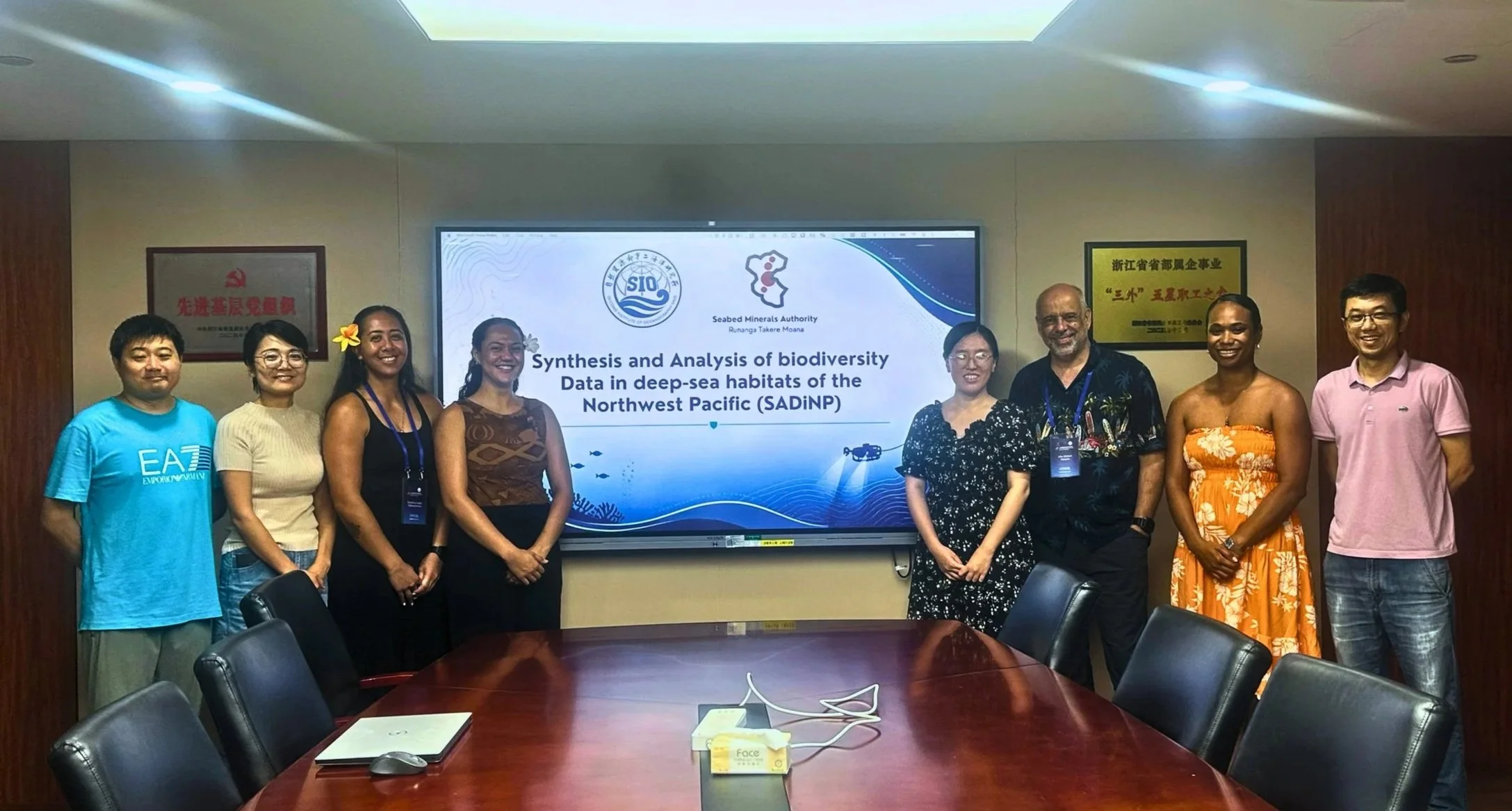
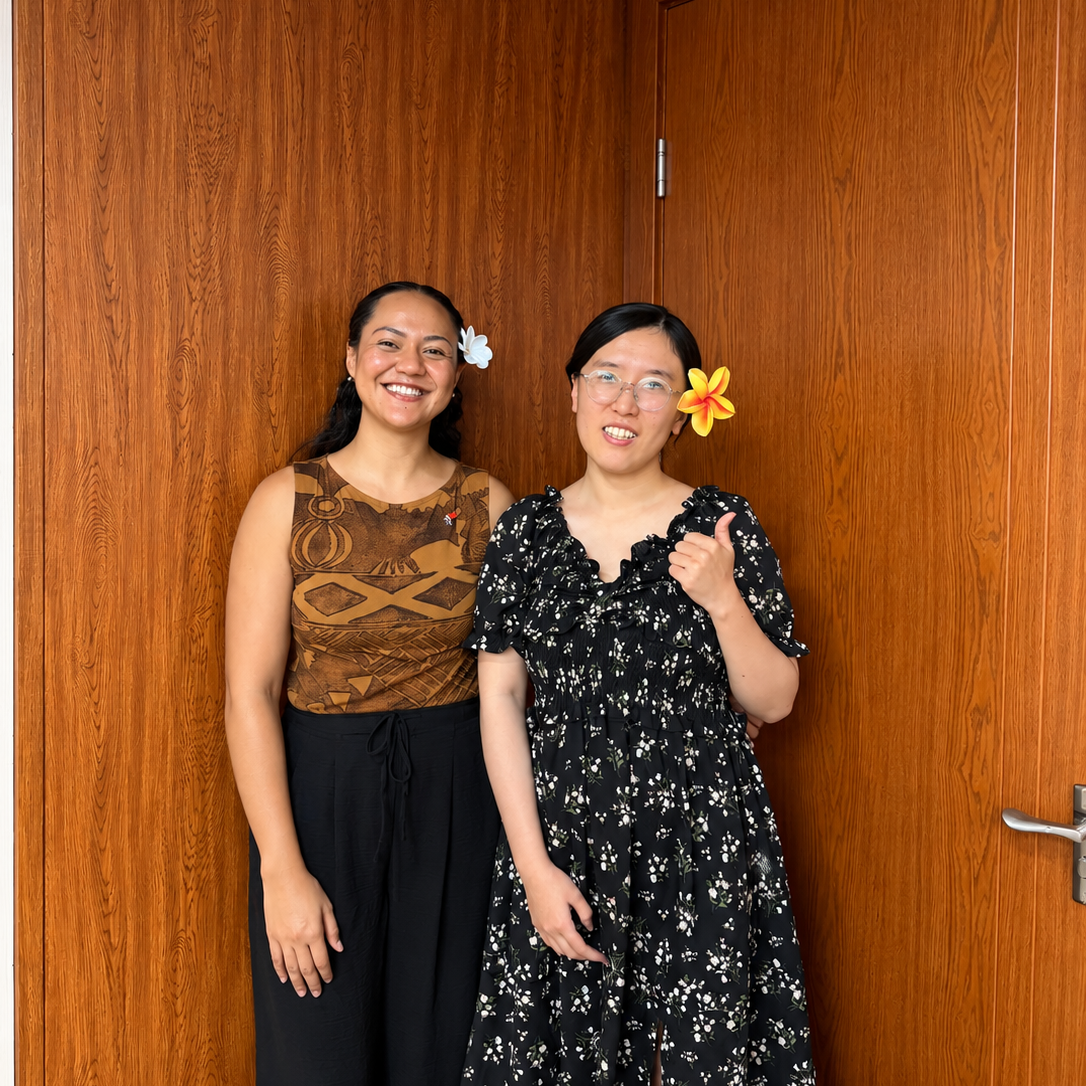
SADINP Group Photo | SBMA says staff development supports Cook Islands capability in science-led ocean governance and responsible seabed minerals regulation.
Although the two-week attachment has concluded, the work will continue. Further analysis and project outputs will contribute to a technical report expected to be completed next year. The technical report is one of the key outputs of the SADiNP workflow.
SBMA said the collaboration aligns with the Authority’s wider priorities for a responsible and sustainable seabed minerals sector. These include improving understanding of the marine environment, supporting high standards of environmental protection and conservation, strengthening knowledge and research, and ensuring decisions are guided by science, ethics and the long-term interests of the Cook Islands.
The Cook Islands remains in the exploration and research phase. No commercial seabed minerals harvesting has been approved or authorised.
SBMA said scientific collaboration and technical attachments do not change that status. They support the Authority’s ability to build knowledge, review information carefully, and prepare Cook Islands officials to take part in complex technical discussions with confidence.
The Authority said it will continue to bring Cook Islanders along the journey through staff development, public information, scientific learning, community engagement and transparent regulatory processes.
For SBMA, building capability is part of responsible stewardship.
It helps ensure the Cook Islands can manage its seabed minerals sector with knowledge, care, and respect for our people, our moana and future generations.
Stay Informed
SBMA will continue to share updates on its research, partnerships, staff development and public information work as part of its commitment to responsible seabed minerals governance.
🔹 SBMA— Supporting responsible seabed minerals governance through science, knowledge and public engagement.
Follow Us & Stay Updated
Never miss an update—connect with us across multiple platforms:
🔗 Visit our website | 📱 Follow us on Facebook | 📧 Sign up for our Newsletter
For further information or media queries, please contact: sbma.media@cookislands.gov.ck