
SBMA takes part in regional workshop on deep seabed sustainable blue growth
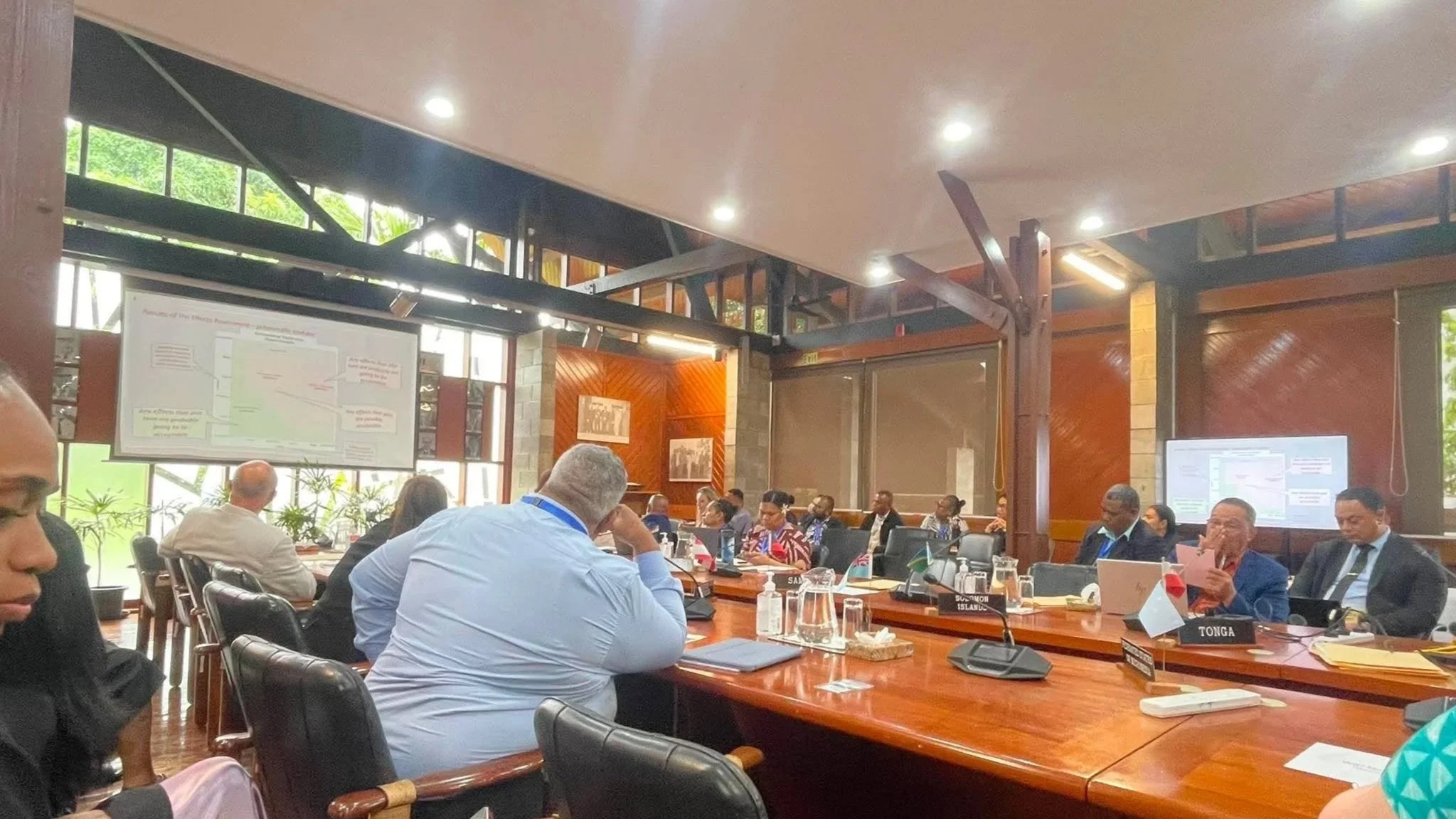
The Seabed Minerals Authority (SBMA) was represented at the Pacific Small Island Developing States Regional Workshop on Deep Seabed Sustainable Blue Growth Initiative, held in Suva, Fiji, from 19 to 21 May 2026.
Hosted by the International Seabed Authority in collaboration with the Pacific Islands Forum Secretariat, the workshop brought together Pacific sponsoring States, other Pacific Small Island Developing States, and regional and institutional partners to discuss the responsibilities of States involved in activities in the Area, regional environmental governance, data management, and future capacity-building initiatives.
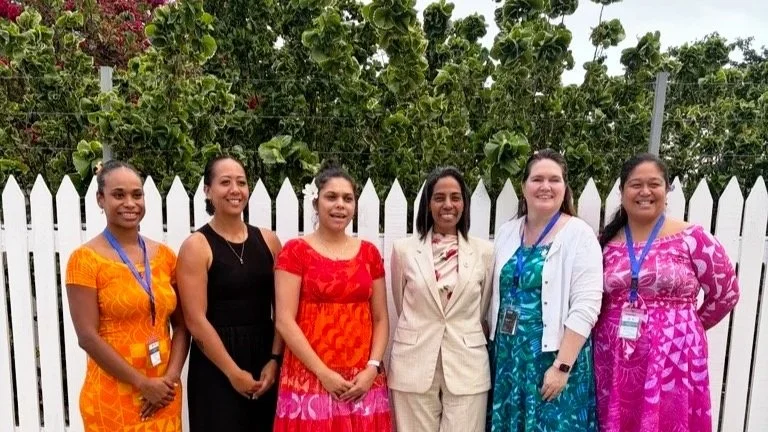
Representing SBMA at the workshop were Seabed Minerals Commissioner Beverly Ataera, Policy and Regulatory Oversight Director Latishia Maui-Mataora, Senior Knowledge Management Officer Rima Browne, and Chloe Wragg.
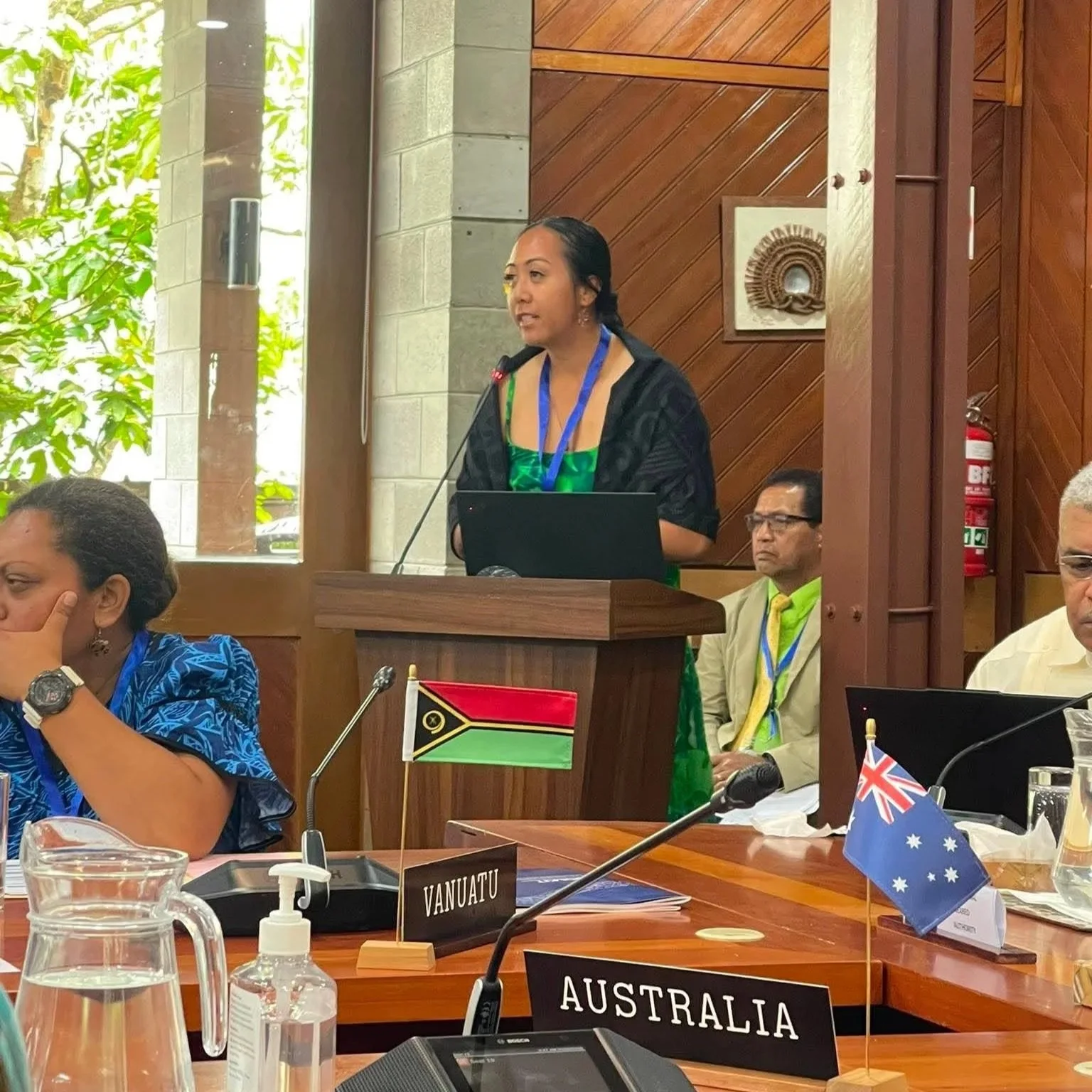
The three-day programme included high-level policy sessions, technical presentations, case studies, practical demonstrations, moderate discussions, breakout sessions, and a closing plenary. Key areas of focus included the launch of the Toolkit on the Roles and Responsibilities of States Sponsoring Activities in the Area, the Guidelines for Negotiations and Contractual Dealings with Sponsored Entities, technical training on regional environmental governance and data management, and discussions on strengthening human capital across the Pacific.
For the Cook Islands, participation in the workshop provided an important opportunity to engage directly with other Pacific countries and regional partners on shared issues relating to seabed minerals governance, environmental oversight, and the responsibilities of sponsoring States.
SBM Commissioner Beverly Ataera said the workshop was a valuable regional platform for learning, exchange, and strengthening Pacific understanding on matters that are becoming increasingly important for ocean governance.
"This workshop created space for Pacific countries to come together, share experiences, and build a stronger understanding of the legal, policy, and technical responsibilities linked to deep seabed minerals activities. For the Cook Islands, it was important to be part of these discussions and to continue learning alongside our Pacific neighbours and partners."
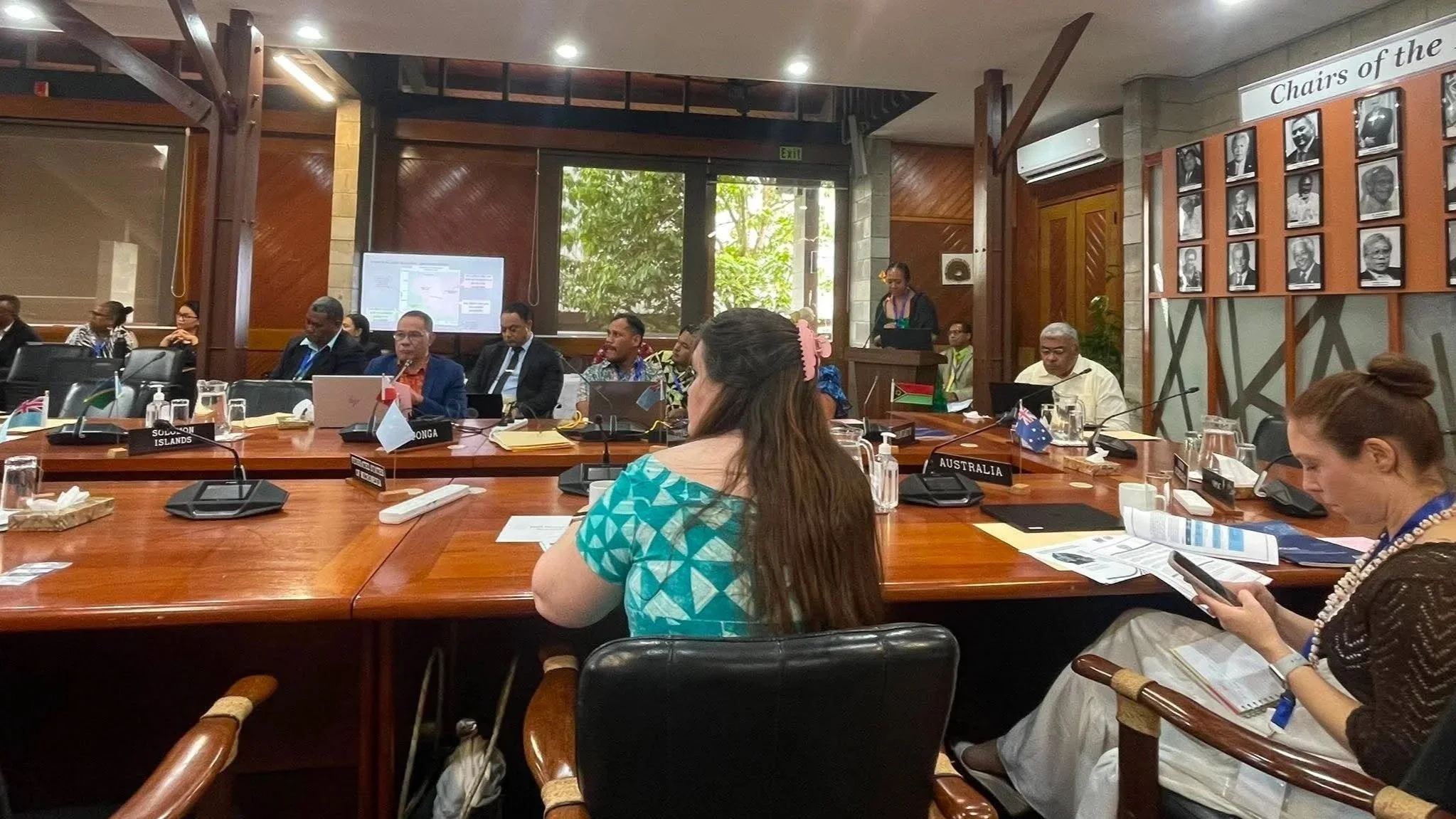
Policy and Regulatory Oversight Director Latishia Maui-Mataora said the workshop was particularly useful in helping strengthen regional understanding of sponsoring State obligations and practical regulatory considerations.
"As Pacific countries continue to navigate this space, it is important that we remain informed and engaged in the frameworks, tools, and responsibilities that support sound decision-making. Workshops like this help build shared understanding and support stronger regional capability."
The workshop formed part of the official visit of the Secretary-General of the International Seabed Authority to the Pacific and included participation from representatives of the Cook Islands, Kiribati, Nauru, Tonga, Fiji, the Federated States of Micronesia, the Republic of the Marshall Islands, Palau, Papua New Guinea, Samoa, Solomon Islands, Tuvalu, Vanuatu, and Niue, alongside regional partners including the Pacific Community, the Secretariat of the Pacific Regional Environment Programme, the University of the South Pacific, the United Nations Department of Economic and Social Affairs, and relevant national authorities.
The regional workshop was followed by a one-day Pacific Data Repository Workshop on 22 May 2026, organised by the Office of the Ocean Pacific Commissioner in collaboration with the Pacific Deep Seabed Minerals Informal Working Group. The session focused on the development of the Pacific Data Repository, with the International Seabed Authority Secretariat invited to provide technical guidance through its experience in data management.
SBMA says continued participation in regional and international discussions remains important for the Cook Islands as it works to strengthen knowledge, oversight, and cooperation in the seabed minerals sector. Engagement of this kind helps ensure the Cook Islands remains informed, connected, and able to contribute to regional conversations that affect the future governance of our moana.
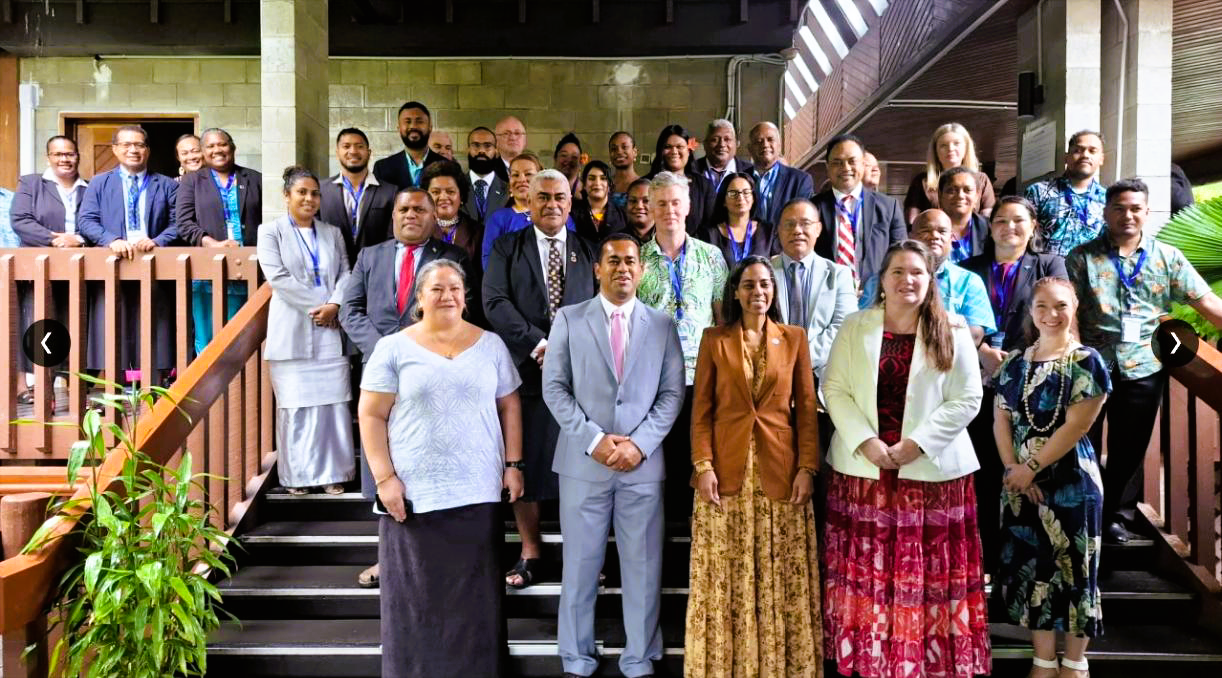
Image source: Pacific Ocean Commissioner