

THE TRUTH ABOUT EXPLORATION LICENCES | From the Seabed Minerals Authority

We’d like to explain what a deep-sea minerals exploration licence actually means for the Cook Islands — and equally important, what it does not mean. Some people worry that, by granting exploration licences, we have already agreed to mining.
We have not. Exploration does not give anyone permission to begin minerals harvesting.
This overview sets out the facts, the process, and the safeguards in place so our country can understand what is really happening in our waters today.
Exploration is about knowledge – not mining
An exploration licence is permission to explore the seabed for minerals and study the feasibility of possibly minerals harvesting them one day. It is not permission to harvest minerals.
Exploration involves:
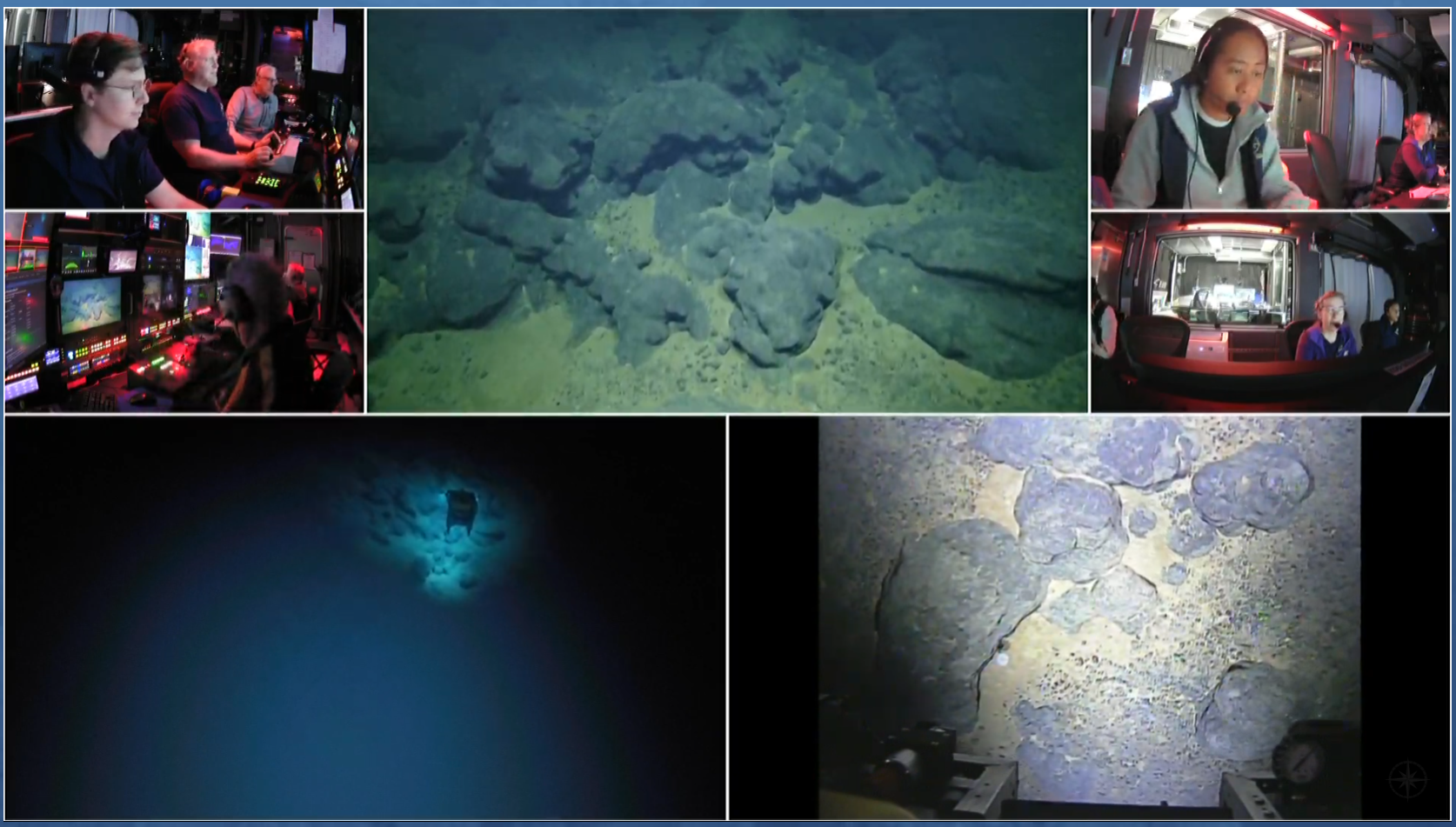
Geological surveys to identify minerals and their quality
Environmental baseline studies to understand the life, habitats, and ecosystems that may be impacted
Testing technology to understand environmental impacts and technical feasibility
Exploration is costly and carries risks. This is why the government allows specialised companies to carry out work instead of using limited public funds.
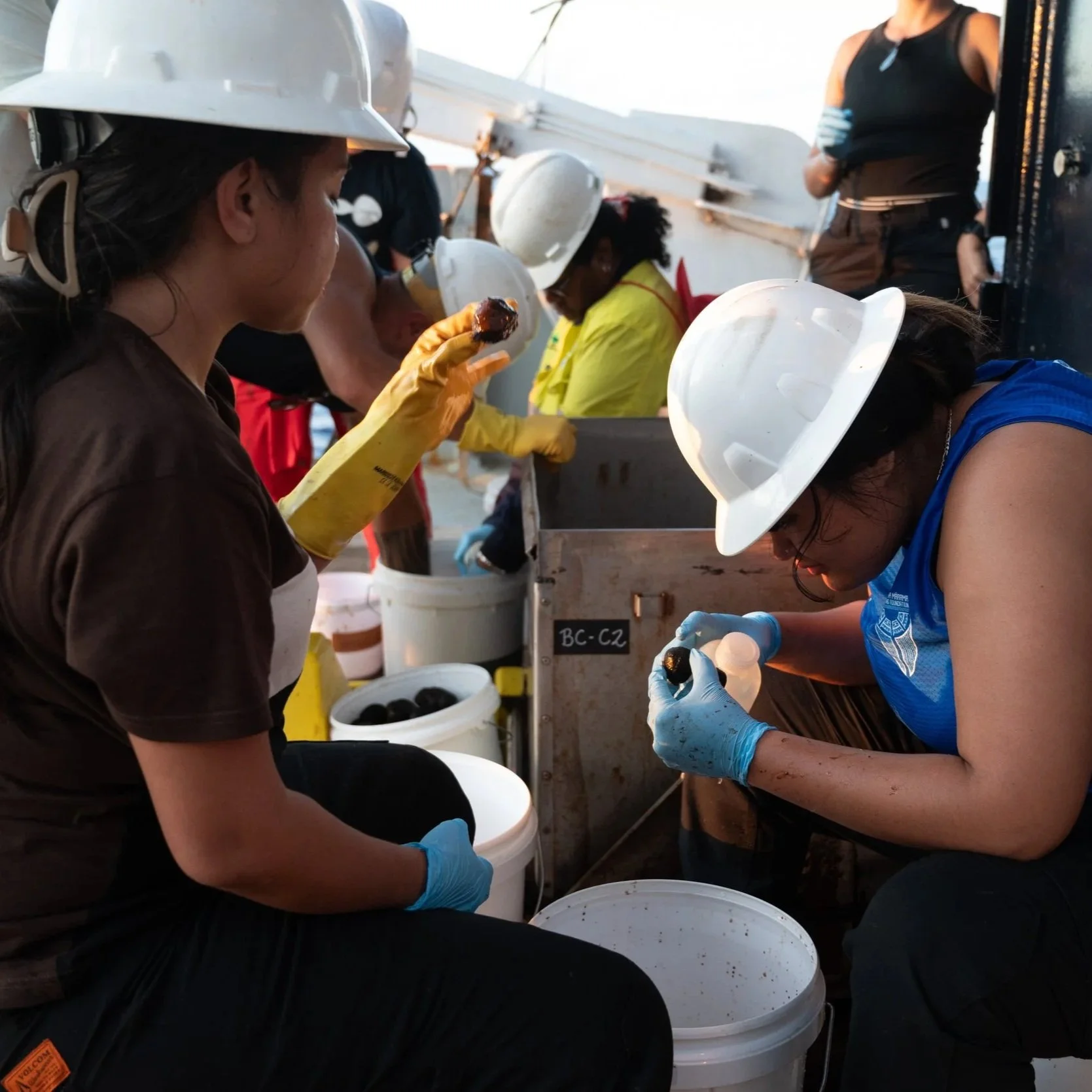
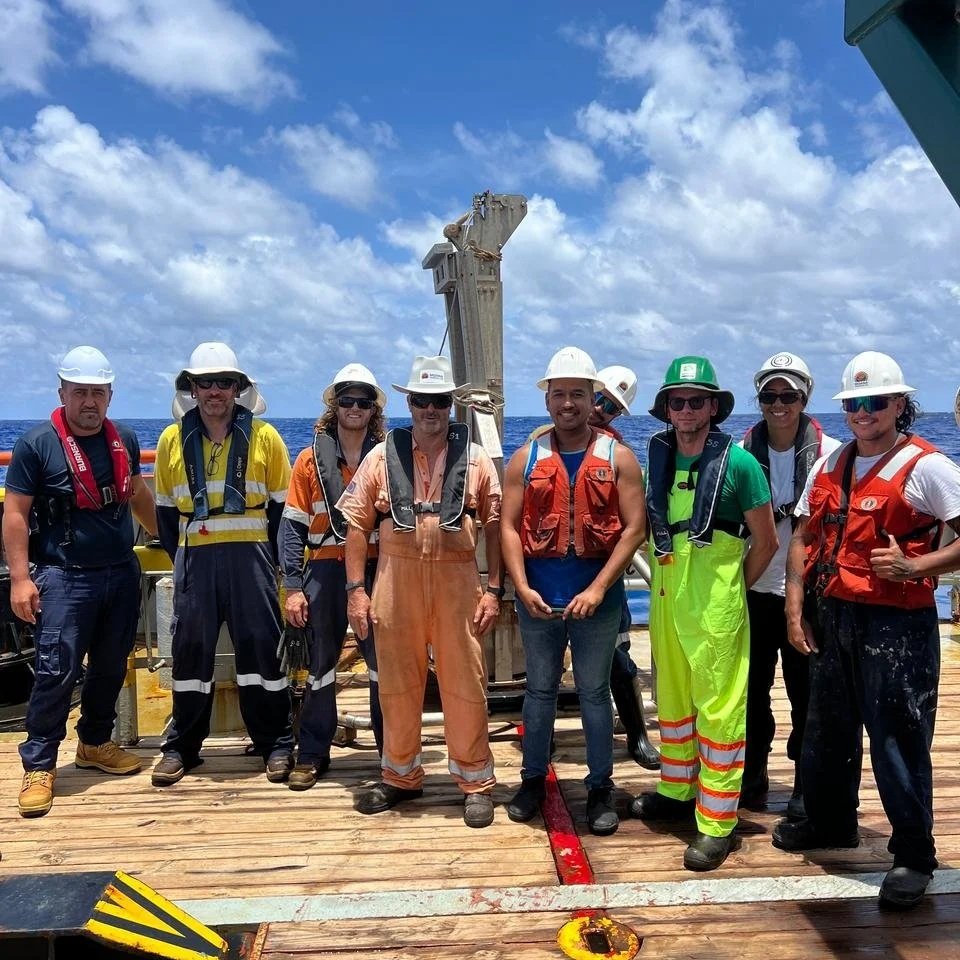
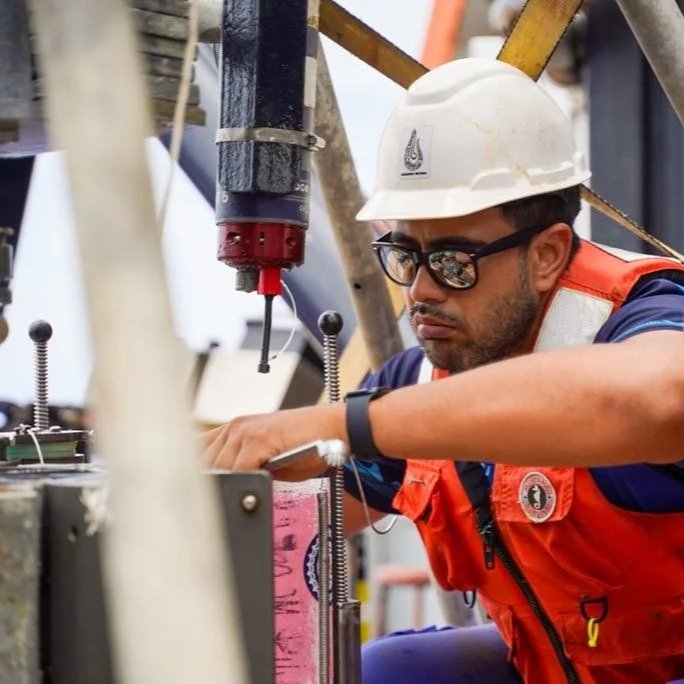
The purpose is simple: We need reliable information so that the Cook Islands can make an informed decision in the future.
The key questions are:
If minerals harvesting is ever considered, could it be done sustainably?
If yes — under what conditions?
If not, what evidence supports that conclusion?
The Cook Islands follows a precautionary approach:
We gather science first, then decide. Instead of rushing, we proceed step by step, with data, monitoring and independent advice.
who holds exploration licences in the cook islands?
The Cook Islands have issued three exploration licences within our Exclusive Economic Zone (EEZ).
These licences were not issued lightly. Applicants underwent:
A rigorous assessment process, including technical and financial checks
Evaluation by an independent Licensing Panel — no single person makes the decision
Consideration under the Seabed Minerals Act and associated regulations
Of the three licence holders:
Two have parent companies based in the United States
One is a joint venture between the Cook Islands Government and a Belgian company
These applicants met or exceeded minimum requirements and were approved to carry out their agreed exploration work programmes.

why licences are five years - and why that matters?
Our initial licences are issued for a five-year period — much shorter than the 15-year licences commonly used in international waters.
This shorter timeframe was chosen to:
Encourage active exploration and real scientific progress
Avoid having licences held without action.
Ensure regular review points to assess performance and results
From the beginning, the Act anticipated that renewals might be needed. There is a significant amount of work required after all, and ethical scientific work takes focused and sustained effort.
A renewal is not automatic.
It is another decision point for the Cook Islands, based on past performance and assurances for future plans.
learning from global science and technology
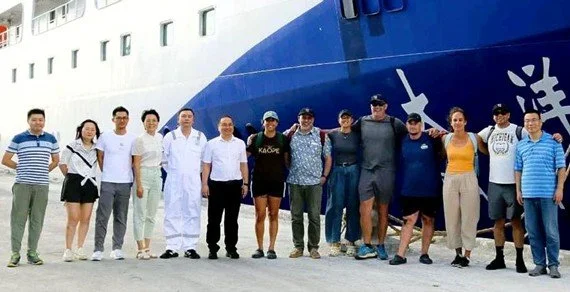
Seabed Minerals Research and Exploration in the Cook Islands is part of a global community of science. Work is also happening:
In international waters (e.g., the Clarion–Clipperton Zone, Western Pacific, Indian Ocean Nodule Field)
In other countries’ national waters, including the United States, Japan, and Norway
It’s an exciting time, as this global research and exploration continues; both science and engineering technology are developing rapidly, with new solutions for old problems emerging in several key areas.
For the Cook Islands, this means:
Progress could be quicker if global learnings apply well here (but they do need to be tested locally)
Progress could be slower if our ecosystems are different or more complex
Our timeline is driven by ethical science, not a calendar date or commercial pressure.
what happens after exploration?
To move beyond exploration towards any minerals harvesting, two key questions must be answered using evidence collected during exploration:
Q1. Environmental Test — National Environment Service (NES)
Is the environmental risk acceptable, and can it be effectively managed?
Q2. Operational Test — Seabed Minerals Authority (SBMA)
Would a minerals harvesting operation be technically, financially, and socially sustainable for the Cook Islands?

The use of two separate authorities for these two key sets of requirements ensures a high level of governance. Before any decisions are made:
Detailed environmental and technical studies must be completed that will be shared with the public.
Independent experts will be hired by Government to review them as a matter of course
To proceed, two permissions would be needed:
1. An Environmental Project Permit from NES
2. A Mining Licence from SBMA
Neither approval is automatic. There are no guarantees. Consideration of the views of Cook Islands people and stakeholders is needed at every step; the question remains: Does this activity align with our environmental, cultural, social, and economic values?
how big is the area we’re referring to?
A single deep-sea minerals harvesting operation would affect only a very small portion of the seabed (what we call extent).
There is a simple way to look at how big the area is. A medium-sized minerals harvesting project operating for 30 years across the entire Cook Islands EEZ would impact roughly 0.4% of the seabed.
To visualise this:
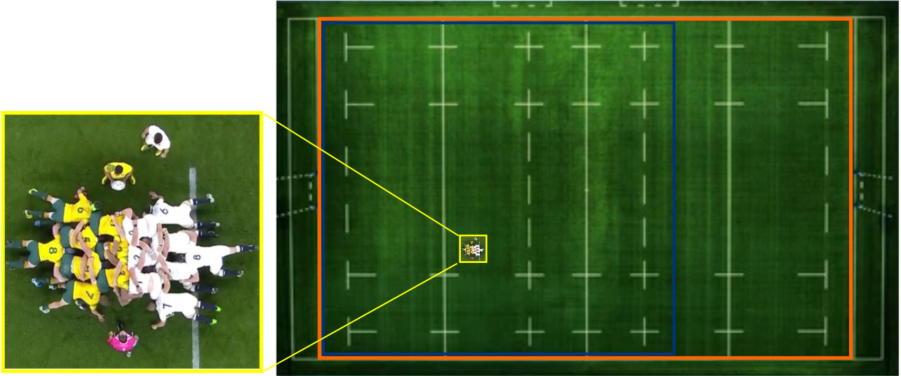
Imagine the entire EEZ/Marae Moana as a rugby field (Orange Box)
The impacted area would be the size of a rugby scrum (Yellow box) — less than half of one percent of the nodule field (Blue Box)
Spread over 30 years, this is like one player taking a single slow step each year (Within the yellow Box)
Minerals harvesting is a serious activity that needs very careful management – but we are not talking about impacting our entire EEZ, or anything close to it.
what kind of damage could minerals harvesting cause?
If minerals harvesting is ever approved, the impact would be confined to the area being worked. One way to understand it:
Collecting nodules is somewhat like raking leaves — you never gather every leaf in one swoop
If nodules are collected, not all nodules would be picked up (estimates are that 20-40% of the nodules might be left behind).
The seabed would not be untouched, but not all nodules would be removed from the area being worked.
Understanding how this affects ecosystems and how impacts can be minimised or managed is why we need to have a good understanding of the expected impacts in the Cook Islands before any permit or licence could be issued.
protecting and conserving our marae moana
Our entire EEZ falls under the protection of our Marae Moana, which requires that everything within it is either:
Protected, or
Managed through effective conservation measures
These measures ensure:
Areas important for biodiversity and key species are identified and safeguarded
Any area considered for minerals harvesting will not be developed if it has a real risk of unacceptable harm to any ecosystem or the wider environment; and
We maintain a balanced approach between potential economic benefits and our responsibility as stewards of our deep ocean.
Exploration data actually helps us improve our protection and conservation measures over time - by showing us the extents of different marine habitats and how best to avoid or minimise unacceptable impacts.
SBMA’s commitment to the cook islands people
At its heart, exploration is about knowledge and choice.
By allowing carefully regulated exploration:
We gain crucial scientific information about our seabed and ecosystems
We build our capacity as a nation to make informed decisions
We ensure that any future decision – whether to proceed with harvesting (mining) or not – is informed, deliberate, and grounded in ethical science
There is no automatic path from exploration to mining. There is only a path of steps, safeguards, and choices.
SBMA is committed to:
Transparency in our processes
Upholding the precautionary approach and other best practices
Promote protection and conservation of the marine environment while exploring potential opportunities; and
Ensure that the well-being of the people of the Cook Islands remain at the centre of what we do
If you have questions, concerns, or simply want to learn more, we encourage you to reach out to us.
Our seabed is part of our shared heritage — and decisions about it belong to all of us.

For further information or media queries, please contact: sbma.media@cookislands.gov.ck